
ForceBeyond Logo
Assembly and kitting services for cast, forged, and machined metal components

Assembly & Kitting Services for Industrial Metal Components

Integrated Assembly and Kitting for Precision Metal Components

ForceBeyond provides integrated assembly and kitting services for castings, forgings, machined components, standard hardware, seals, bearings, and customer-supplied parts. Services may include mechanical sub-assembly, hardware insertion, press fitting, sealing, fastening, functional testing, labeling, protective packaging, and point-of-use kit preparation.

By coordinating casting, forging, precision machining, secondary operations, inspection, and final assembly within one managed workflow, ForceBeyond helps reduce supplier handoffs and prepares components for line-side use, installation, or distribution.

Industrial sub-assembly and kitting of precision metal components

How Assembly and Kitting Programs Are Planned

A successful program begins with a complete review of the assembly drawing, bill of materials, component sources, critical characteristics, test requirements, packaging method, and delivery schedule.

  • Bill of materials: define part numbers, revisions, approved manufacturers, substitutions, customer-supplied items, and required certificates.
  • Joining methods: specify torque values, press-fit interference, adhesives, thread-locking compounds, rivets, welds, or other mechanical connections.
  • Functional requirements: identify sealing, pressure, actuation, electrical continuity, alignment, or fit checks.
  • Traceability: determine lot, serial, barcode, QR-code, and documentation requirements.
  • Packaging and delivery: define tray orientation, protective materials, kit quantity, line-side presentation, and shipment frequency.

Mechanical Assembly and Sub-Assembly Capabilities

Assembly methods are selected according to component geometry, material, production volume, cleanliness, strength, service environment, and engineering requirements.

Assembly Discipline Representative Operations Typical Applications
Hardware Insertion and Press Fitting Threaded inserts, self-clinching fasteners, bushings, dowel pins, bearings, sleeves, and project-specific press-fit components. Machined brackets, housings, enclosures, manifolds, gear cases, and structural components.
Mechanical Joining and Fastening Torque-controlled fastening, riveting, staking, adhesive bonding, thread locking, and controlled mechanical joining. Pump assemblies, valve components, covers, linkages, structural modules, and industrial equipment.
Sealing and Gasket Integration O-rings, die-cut gaskets, seals, thread sealants, retaining compounds, and project-specific sealing materials. Fluid-control assemblies, hydraulic manifolds, pump housings, pneumatic components, and sealed enclosures.
Functional and Pressure Testing Leak testing, pressure testing, actuation checks, torque verification, dimensional checks, and assembly completeness audits. Valves, pumps, manifolds, fluid systems, actuators, and customer-defined mechanical modules.

Custom Kitting and Point-of-Use Delivery

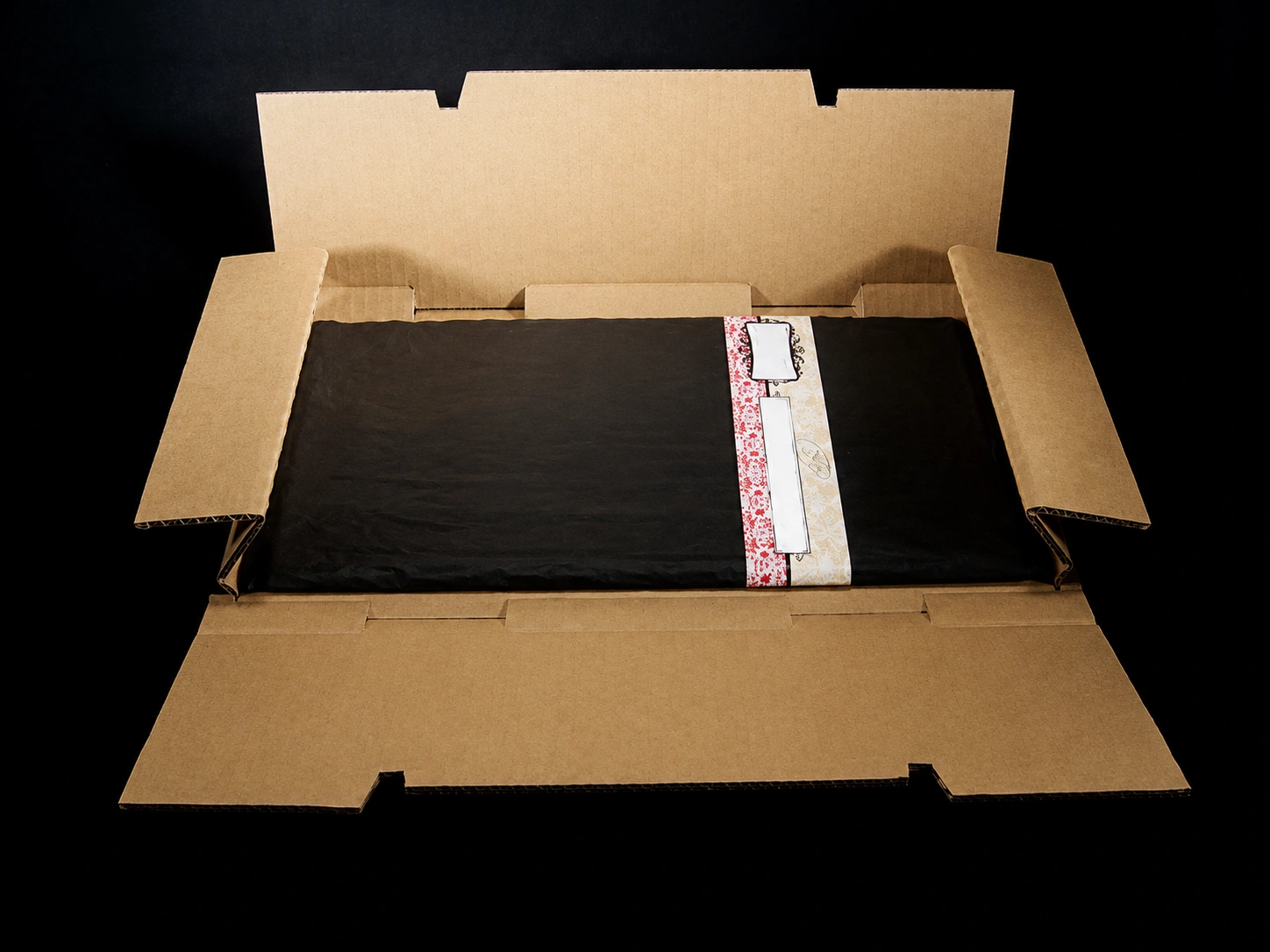
Custom kitting organizes the components required for a specific operation, product, or installation into one controlled package. This can reduce line-side searching, part shortages, excess handling, and separate inventory transactions.

  • Custom trays and inserts: thermoformed trays, foam inserts, dividers, bags, and protective materials selected to limit movement, contact, contamination, and transit damage.
  • Consolidated ordering: multiple components may be delivered under a coordinated kit or assembly part number, subject to customer purchasing and traceability requirements.
  • Labeling and identification: barcodes, QR codes, serial numbers, lot identification, orientation labels, and customer-specific documentation.
  • Line-side presentation: sequence, orientation, pack quantity, and replenishment schedule can be aligned with production needs.
  • Customer-supplied materials: consigned hardware or components can be incorporated when inventory ownership, inspection, and liability requirements are clearly defined.

Integrated Cast, Forge, Machine and Assemble Supply Chain

ForceBeyond’s Tier-1.5 model coordinates the full component route through one project-management and quality framework:

Casting or Forging → Precision Machining → Heat Treatment and Finishing → Inspection → Assembly and Testing → Kitting and Packaging
  • Coordinated interfaces: mating dimensions, datums, fits, surface condition, and hardware requirements are reviewed across forming, machining, finishing, and assembly.
  • Reduced supplier handoffs: one coordinated process route can simplify communication, scheduling, documentation, and root-cause analysis.
  • Unified quality planning: inspection points can be established before and after critical operations rather than relying only on final inspection.
  • Delivery readiness: finished parts can be labeled, packaged, and organized for installation, line-side use, or distribution.

Assembly Quality Control and Testing

Inspection and test methods should be matched to the component, assembly function, production volume, drawing, and customer specification. Available controls may include:

  • Torque verification: calibrated tools, controlled fastening sequences, and torque records where required.
  • Insert and press-fit verification: depth, position, fit, pull-out, push-out, or visual checks based on the engineering requirement.
  • Leak and pressure testing: pneumatic, hydrostatic, air-decay, or other project-specific methods within approved equipment and safety limits.
  • Dimensional inspection: gauges, CMM inspection, fit checks, and verification of critical assembly interfaces.
  • Completeness audits: manual checklists, weight checks, barcode scans, vision systems, or other controls to confirm kit and assembly content.
  • Documentation: inspection reports, certificates of conformity, test records, lot traceability, and customer-specific quality packages.

See ForceBeyond’s testing and inspection capabilities and quality assurance and certifications.

Packaging, Identification and Logistics Support

Packaging is treated as part of the manufacturing process because it protects dimensions, finishes, cleanliness, and kit completeness after final inspection.

  • Surface protection: separators, caps, plugs, films, sleeves, corrosion protection, and non-contact packaging for critical finishes.
  • Part identification: labels, barcodes, QR codes, lot numbers, serial numbers, and customer-defined markings.
  • Export and distribution preparation: consolidated cartons, pallets, moisture control, documentation, and shipment sequencing.
  • Inventory programs: scheduled releases, buffer stock, Kanban, or other replenishment models may be coordinated based on forecast, lead time, and commercial agreement.

Learn more about global footprint and logistics.

Assembly and Kitting Applications by Industry

  • HVAC, fluid and flow control: valve, pump, manifold, actuator, seal, fitting, and pressure-tested sub-assemblies.
  • Aerospace and defense: inserts, bushings, serialized components, protective trays, traceability, and controlled assembly documentation.
  • Automotive and transportation: bearing installation, seals, covers, brackets, housings, fasteners, production kits, and line-side packaging.
  • Medical and healthcare: precision sub-assemblies, controlled finishes, cleanliness-sensitive packaging, labeling, and documented inspection.
  • Energy and power generation: valve modules, turbine-support hardware, sealing components, machined assemblies, and project-specific testing.
  • Mining and heavy equipment: heavy-duty housings, bearings, bushings, pins, seals, hardware kits, and service-part packaging.

Frequently Asked Questions: Assembly & Kitting

What is the difference between sub-assembly and kitting?

Sub-assembly physically joins multiple components into a functional unit, such as installing bearings, seals, inserts, or fasteners into a machined housing. Kitting organizes the required components, hardware, labels, and instructions into a single package for efficient line-side or point-of-use delivery. A project may include one service or both.

Can ForceBeyond source standard hardware for assembly kits?

Yes. Depending on project requirements, ForceBeyond can coordinate sourcing and inspection of standard hardware such as fasteners, O-rings, gaskets, bearings, bushings, inserts, seals, and connectors. Approved manufacturers, material specifications, certificates, lot controls, and substitution rules should be defined during the quotation and quality-planning process.

How are threaded inserts and press-fit components verified?

Verification may include installation-depth checks, torque or pull-out requirements, visual inspection, go/no-go gauges, dimensional inspection, and project-specific functional testing. The appropriate method depends on the insert type, base material, engineering drawing, customer specification, and production volume.

What information is needed for an assembly and kitting quote?

Provide assembly drawings, a bill of materials, component specifications, annual or batch quantity, approved hardware sources, torque values, press-fit requirements, seal or adhesive specifications, test criteria, labeling, packaging, traceability, and delivery expectations. Clearly identify critical-to-quality characteristics and any customer-supplied components.

Request an Assembly & Kitting Quote

Send your assembly drawing, bill of materials, quantities, hardware specifications, test criteria, labeling, packaging, traceability, and delivery requirements for review.

Technical References
Related Assembly, Machining, Forming, Quality and Logistics Resources