ForceBeyond Logo
Robotic surgery system and precision medical equipment in a modern operating room

Medical Device Components: Precision Casting, Forging & CNC Machining

Manufacturing Support for Medical Device and Life-Science Components

Medical device components may require tight dimensional control, controlled surfaces, material traceability, cleanliness, corrosion resistance, repeatable inspection, and documented process validation.

ForceBeyond supports surgical instrument, orthopedic, spinal, diagnostic, laboratory, imaging, and capital-equipment programs through investment casting, forging, precision machining, Swiss-style turning, surface finishing, inspection, assembly, and supply-chain coordination.

Device classification, implantable status, biocompatibility, regulatory submission, sterilization validation, quality-system scope, and final device approval remain the responsibility of the legal manufacturer and governing technical file.

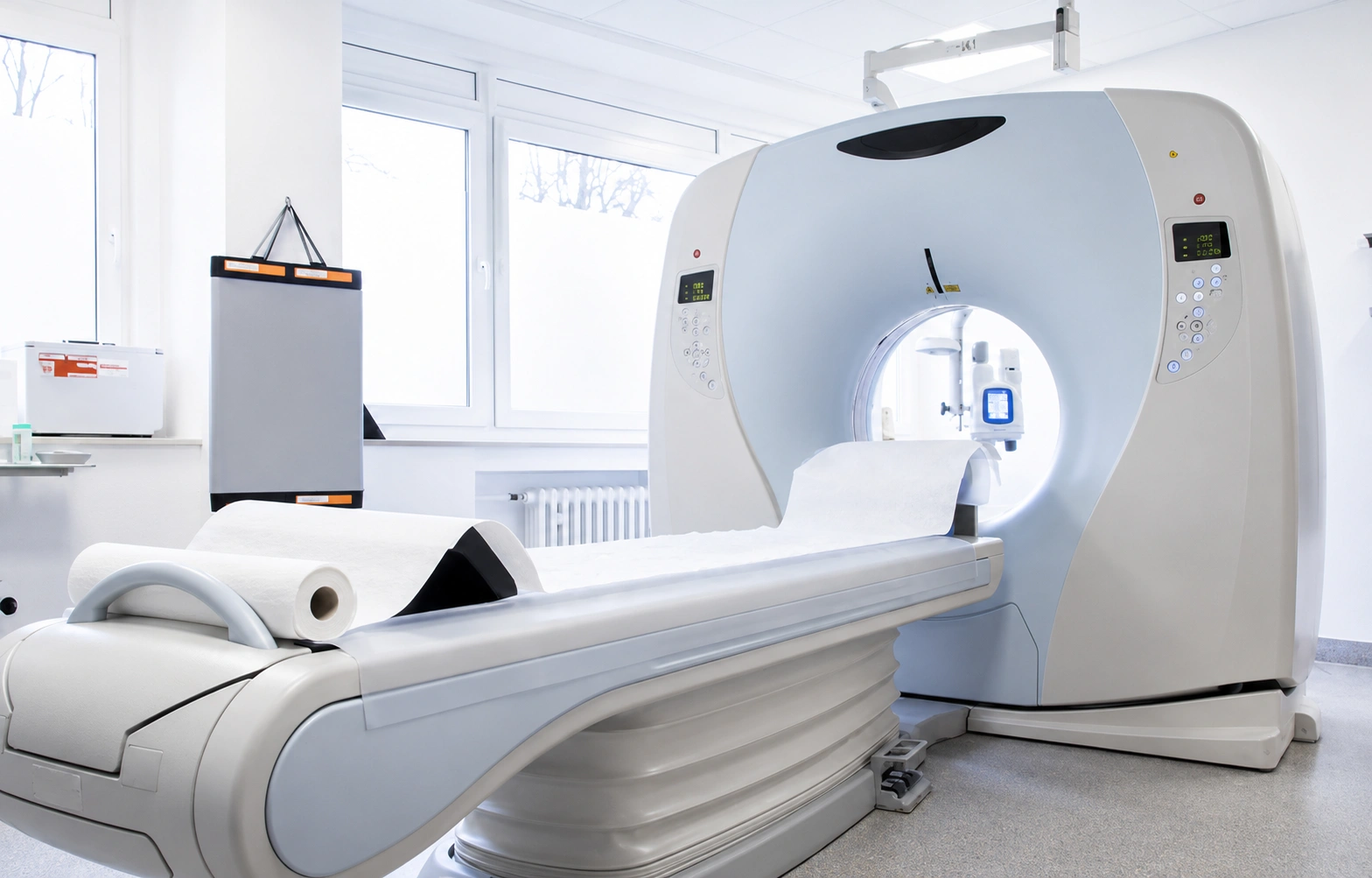
Medical diagnostic imaging equipment with precision-machined structural and motion components

Medical Device Application Matrix

Application Area Representative Components Potential Manufacturing Routes Key Engineering Requirements
Orthopedic and Spinal Systems Fixation components, implant trials, instrument parts, cages, screws, rods, connectors, handles Titanium or cobalt-chrome casting, forging, Swiss turning, milling, polishing, passivation, inspection Material pedigree, fatigue, surface integrity, dimensional control, traceability, cleanliness, and validation
Surgical Instruments Handles, clamps, jaws, forceps, scalpel components, shafts, links, housings, ratchets Investment casting, forging, stamping, machining, heat treatment, polishing, passivation, assembly Corrosion resistance, articulation, edge and burr control, cleanability, surface finish, and repeated reprocessing
Endoscopic and Minimally Invasive Devices Micro shafts, jaws, links, tubes, housings, connectors, actuation and fluid components Swiss turning, micro-machining, laser or approved joining, electropolishing, precision assembly Miniature geometry, concentricity, burr control, cleanliness, articulation, sealing, and inspection access
Diagnostic and Imaging Equipment Motion components, brackets, housings, frames, fluid manifolds, thermal hardware, precision mounts Machining, casting, forging, sheet-metal or fabricated routes, coating, assembly Alignment, stiffness, vibration, thermal stability, cleanliness, appearance, serviceability, and repeatability
Laboratory and Life-Science Equipment Pump components, valves, manifolds, instrument frames, sample-handling hardware, fluid and motion components Stainless or polymer machining, investment casting, passivation, electropolishing, assembly, leak testing Chemical compatibility, cleanliness, sealing, surface finish, dimensional control, and documentation

Medical Component Portfolio

Component Family Representative Hardware Common Product Forms Typical Verification
Implant and Fixation Components Screws, rods, connectors, cages, plates, trial components, joint and fixation hardware Machined wrought titanium or cobalt alloys, castings, forgings, approved polymers Material records, dimensions, surface finish, mechanical testing, cleanliness, traceability, validation records
Surgical Instrument Hardware Handles, jaws, clamps, shafts, hinges, links, ratchets, housings, cutting-tool components Stainless castings, forgings, machined bar, stamped or fabricated parts Dimensional inspection, hardness, corrosion-related finish, articulation, visual inspection, assembly checks
Micro-Machined Components Pins, screws, sleeves, tubes, couplings, miniature shafts, connectors, instrument parts Swiss-turned bar, micro-milled components, approved tube and wire forms Optical inspection, micro-CMM, thread inspection, form, burr control, surface finish, cleanliness
Diagnostic Equipment Components Brackets, frames, mounts, housings, motion components, thermal parts, fluid-control hardware Machined aluminum or stainless, castings, forgings, assemblies CMM, alignment, runout, flatness, coating, functional inspection, packaging
Fluid and Life-Science Hardware Valves, pump parts, manifolds, fittings, instrument bodies, sample-path components Stainless machining, investment casting, polymer machining, assembled modules Leak testing, cleanliness, passivation, surface finish, dimensional inspection, material verification

Materials for Medical Device Components

Material Family Representative Uses Primary Selection Drivers
Titanium Alloys Orthopedic, spinal, fixation, instrument, structural, and lightweight medical components Strength-to-weight ratio, corrosion, modulus, fatigue, surface treatment, machining, and validated biocompatibility
Cobalt-Chrome Alloys Wear-resistant joint, dental, instrument, bearing, and high-polish components Wear, corrosion, polishability, casting or machining route, fatigue, surface finish, and validation
Medical and Surgical Stainless Steels Instruments, shafts, housings, clamps, fasteners, diagnostic and fluid components Corrosion, hardness, heat treatment, passivation, magnetic response, machining, and repeated cleaning
High-Performance Polymers Instrument handles, guides, insulators, trial components, bearings, fixtures, and device housings Temperature, chemical compatibility, sterilization, creep, dimensional stability, additives, and traceability
Aluminum and Specialty Alloys Capital equipment, imaging systems, housings, brackets, thermal and motion components Mass, stiffness, thermal performance, coating, cleaning, dimensional stability, and appearance

Material standards define requirements for a material or product form, but they do not by themselves establish device biocompatibility, implant approval, or regulatory clearance.

Review titanium alloys, superalloys and exotic metals, and materials and technical specifications.

Investment Casting for Medical and Surgical Components

  • Complex near-net geometry: instrument handles, jaws, housings, brackets, fixation components, and integrated features.
  • Material control: alloy source, melt practice, ceramic system, heat treatment, and traceability should be defined by specification.
  • Surface and dimensional planning: account for as-cast roughness, draft, gates, blend zones, machining stock, and finishing allowance.
  • Inspection: radiography, penetrant inspection, dimensional inspection, material testing, metallography, or other methods may apply.
  • Validation: process qualification, first article, cleaning, finishing, and change control should be established before production.

See investment casting, titanium investment casting, and stainless steel casting.

Swiss Turning and Micro-Machining for Medical Components

  • Long and slender parts: screws, pins, shafts, sleeves, connectors, and instrument components may benefit from Swiss-style support near the cutting zone.
  • Small features: threads, flats, cross holes, slots, grooves, undercuts, and miniature interfaces require controlled tooling and inspection.
  • Burr control: cutting parameters, tool condition, edge preparation, secondary deburring, and inspection are critical for miniature parts.
  • Surface integrity: manage tool marks, smearing, residual stress, work hardening, heat, contamination, and required Ra.
  • Capability: tolerance and process-capability claims must be demonstrated for the actual material, feature, machine, fixture, gauge, and production volume.

See precision machining, high-precision machining, and titanium machining.

Passivation, Electropolishing and Surface Finishing

  • Passivation: removes free iron and supports the corrosion resistance of compatible stainless components when performed to the applicable procedure.
  • Electropolishing: may reduce microscopic peaks, improve cleanability, and alter surface appearance on suitable stainless or cobalt-alloy components.
  • Mechanical polishing: controls roughness, lay, blending, visual finish, and contact surfaces.
  • Deburring and edge condition: define allowable edge break, radius, sharpness, burr height, and inspection method.
  • Surface measurement: specify Ra, Rz, RMS, waviness, lay direction, cutoff, filter, stylus direction, and inspection location where relevant.

These processes do not make a component sterile. Sterility is established through a validated sterilization process applied to the finished device or packaged product.

Review surface finishing and coating for roughness and process-selection guidance.

Cleanliness, Contamination Control and Packaging

  • Cleaning requirements: define oils, particles, fibers, polishing media, passivation residues, ionic contamination, and bioburden-related controls where applicable.
  • Material compatibility: verify cleaning chemistry against alloy, polymer, coating, marking, lubricant, and subsequent processing.
  • Drying and handling: control water spots, corrosion, gloves, contact materials, trays, caps, and clean handling.
  • Verification: visual, gravimetric, particle-count, extraction, ionic, or customer-specific methods may apply.
  • Packaging: protect critical surfaces, cleanliness, identification, lot control, and transport condition; sterile-barrier packaging requires separate validated controls.

Dimensional Inspection and Metrology

Method Typical Use Planning Considerations
Optical Vision Measurement Edges, profiles, small features, threads, burrs, and non-contact dimensional inspection Lighting, contrast, focus, edge algorithm, fixturing, magnification, calibration, and uncertainty
CMM and Micro-CMM GD&T, bores, positions, profiles, form, and complex three-dimensional features Probe size, access, force, fixturing, temperature, datum strategy, uncertainty, and program validation
Surface Profilometry Ra, Rz, waviness, lay, sealing, sliding, polished, or patient-contact surfaces Stylus or optical method, cutoff, filter, direction, sampling length, location, and surface geometry
Form and Thread Measurement Roundness, cylindricity, straightness, concentricity, pitch, major and minor diameter Instrument capability, thread standard, gauge correlation, temperature, and fixture alignment
Visual and Surface Inspection Burrs, scratches, discoloration, pits, blend marks, coating, polishing, and cosmetic requirements Lighting, magnification, acceptance samples, viewing distance, inspector training, and defect definitions

“Sub-micron” should not be used as a blanket capability claim. Measurement uncertainty and process capability must be suitable for the specific tolerance and feature.

Medical Device Quality Planning and Traceability

  • Contract review: identify device classification, drawing, specification, critical characteristics, cleanliness, validation, and documentation.
  • Quality-system scope: verify the exact facility, certificate, issuing body, covered processes, and customer approvals.
  • Risk-based controls: align process controls, inspection, validation, sampling, and records with component risk and intended use.
  • Traceability: define material heat or lot, process batch, inspection, nonconformance, rework, cleaning, packaging, and shipment linkage.
  • Change control: manage source, material, machine, tool, program, process, finish, cleaning, packaging, and inspection changes.

Review quality assurance and certifications and testing and inspection capabilities.

Process Validation and Production Transfer

  • Feasibility and DFM: review material, geometry, tolerance, inspection access, surface finish, cleaning, and assembly.
  • First article and qualification: confirm dimensional results, material, process records, surface condition, cleanliness, and functional requirements.
  • IQ, OQ and PQ support: project-specific installation, operational, and performance qualification records may be required for validated processes.
  • Measurement-system validation: verify gauge suitability, calibration, method validation, repeatability, reproducibility, and uncertainty.
  • Production transfer: control tooling, programs, fixtures, approved sources, process parameters, work instructions, and training before scale-up.

Material and Quality Documentation

  • Material records: define chemistry, mechanical properties, heat or lot, product form, heat treatment, and source certification.
  • Inspection records: dimensional, surface finish, visual, NDT, hardness, cleanliness, or functional reports as required.
  • Process records: casting, forging, machining, heat treatment, passivation, electropolishing, cleaning, marking, and assembly.
  • Validation records: protocol, acceptance criteria, deviations, results, approvals, and revalidation triggers.
  • Retention and access: define record duration, electronic format, revision control, security, customer access, and audit expectations.

EN 10204 3.1 documentation, biocompatibility reports, sterilization records, and regulatory evidence are not automatically included with every shipment. The required documentation package should be contractually defined.

Medical Device Supply Chain and Source Qualification

  • Approved sources: qualify material mills, foundries, forges, machine shops, heat treaters, finishers, cleaners, laboratories, and assemblers.
  • Long-lead materials: plan implant or surgical grades, specialty sizes, cast alloy, forging stock, polymer lots, and test material.
  • Supplier controls: define audits, quality agreements, change notification, traceability, nonconformance, corrective action, and record access.
  • Inventory and lifecycle: plan safety stock, shelf life, service parts, tooling retention, obsolescence, and supplier changes.
  • Logistics: protect cleanliness, surfaces, identification, lot segregation, temperature-sensitive materials, and delivery milestones.

Review global footprint and logistics for supplier, inventory, packaging, customs, and delivery planning.

Medical Device Component RFQ Checklist

  • Technical package: drawing, CAD, revision, bill of materials, device function, classification, and design authority.
  • Material: alloy or polymer, product form, specification, condition, heat treatment, approved source, and traceability.
  • Risk and intended use: implantable or non-implantable status, patient contact, duration, load, wear, corrosion, and cleaning environment.
  • Critical characteristics: dimensions, GD&T, threads, Ra or RMS, edge condition, burr limits, cleanliness, and appearance.
  • Processes: casting, forging, machining, passivation, electropolishing, heat treatment, marking, cleaning, and assembly.
  • Quality and validation: ISO 13485 scope, inspection, validation, sampling, traceability, records, change control, and audit requirements.
  • Commercial: prototype quantity, annual demand, lot size, tooling, target delivery, packaging, service parts, and program duration.

Frequently Asked Questions: Medical Device Components

Can ForceBeyond support implant-grade titanium or cobalt-chrome components?

ForceBeyond may support customer-specified titanium, cobalt-chrome, stainless steel, and other medical-material programs through qualified sources and processes. Implant suitability, biocompatibility, material specification, manufacturing route, validation, regulatory status, and final device approval must be established by the device manufacturer and governing technical file.

Can ForceBeyond support ISO 13485 medical-device programs?

Medical-device programs may be supported through facilities and suppliers whose quality-system scope is appropriate for the quoted process. ISO 13485 status, site address, issuing body, covered activities, certificate validity, and customer-specific requirements should be confirmed for the actual production source before award.

What inspection methods are used for small or high-precision medical components?

Depending on size, geometry, tolerance, and risk, inspection may include optical vision systems, CMM, micro-CMM, laser scanning, profilometry, form measurement, thread gauges, surface inspection, material verification, cleanliness testing, and project-specific functional tests. Capability must be demonstrated for the actual feature and production process.

What information is needed for a medical component quote?

Provide drawings, CAD, device classification, implantable or non-implantable status, material and specification, annual quantity, critical characteristics, cleanliness, surface finish, passivation or electropolishing, inspection, traceability, validation, packaging, regulatory or quality clauses, and delivery requirements.

Review a Medical Device Component Program

Send your drawings, device classification, material, annual volume, critical characteristics, cleanliness, surface finish, passivation or electropolishing, inspection, traceability, validation, packaging, quality clauses, and delivery requirements for an engineering review.

Medical Device, Materials and Quality References
Related Medical, Casting, Machining, Materials and Quality Resources