
What is the largest titanium component you can machine?
Our current capacity allows for components up to 80 inches (2,000mm) in diameter and up to 10 tons in weight, specifically geared toward large Sand Castings and industrial rings.

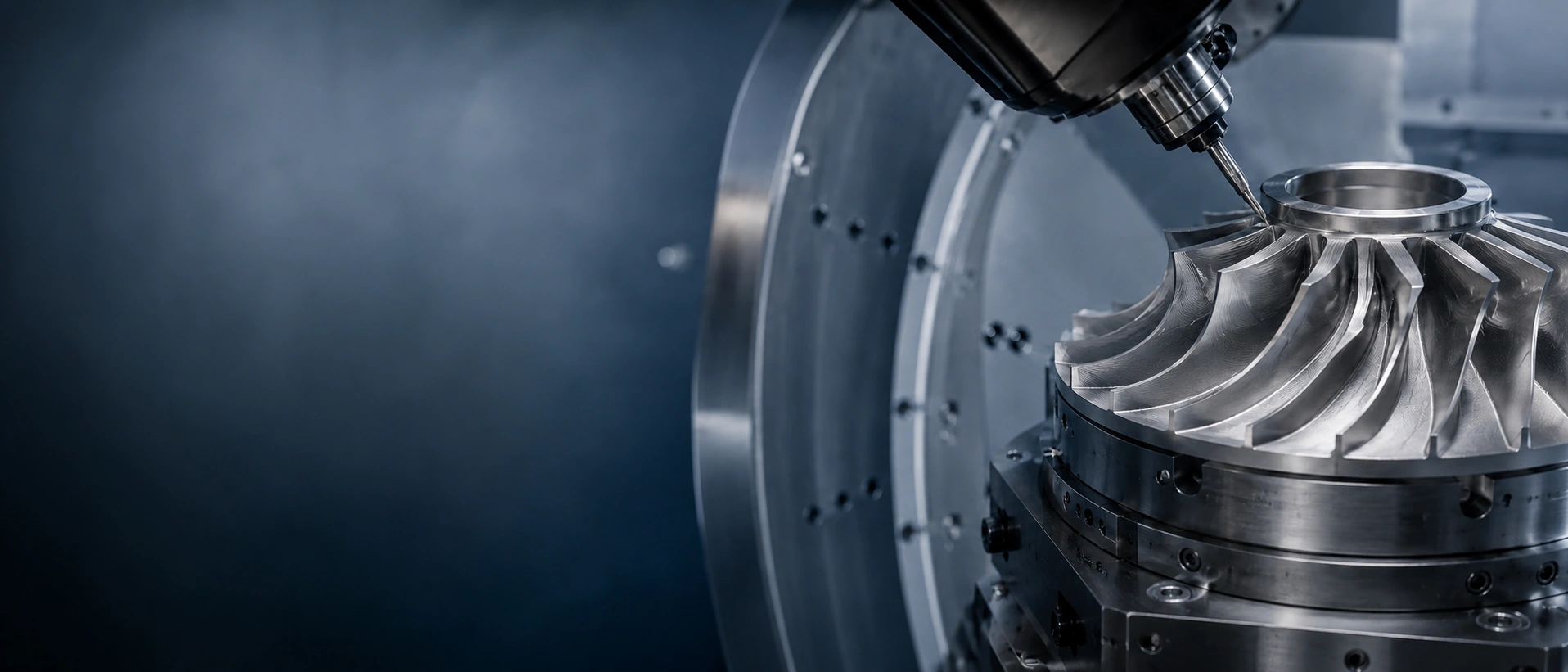
ForceBeyond provides high-capacity Industrial Titanium Machining for large-scale, corrosion-resistant assemblies. Specialized in finishing heavy-walled Sand Castings and industrial forgings, our co-owned CNC centers handle components up to 80 inches (2,000mm) in diameter. Our Tier-1.5 integrated model ensures that critical seal surfaces and flange faces on pump housings, valve bodies, and heat exchangers meet the rigorous ASTM B367 and ASME standards required for aggressive chemical and marine environments.
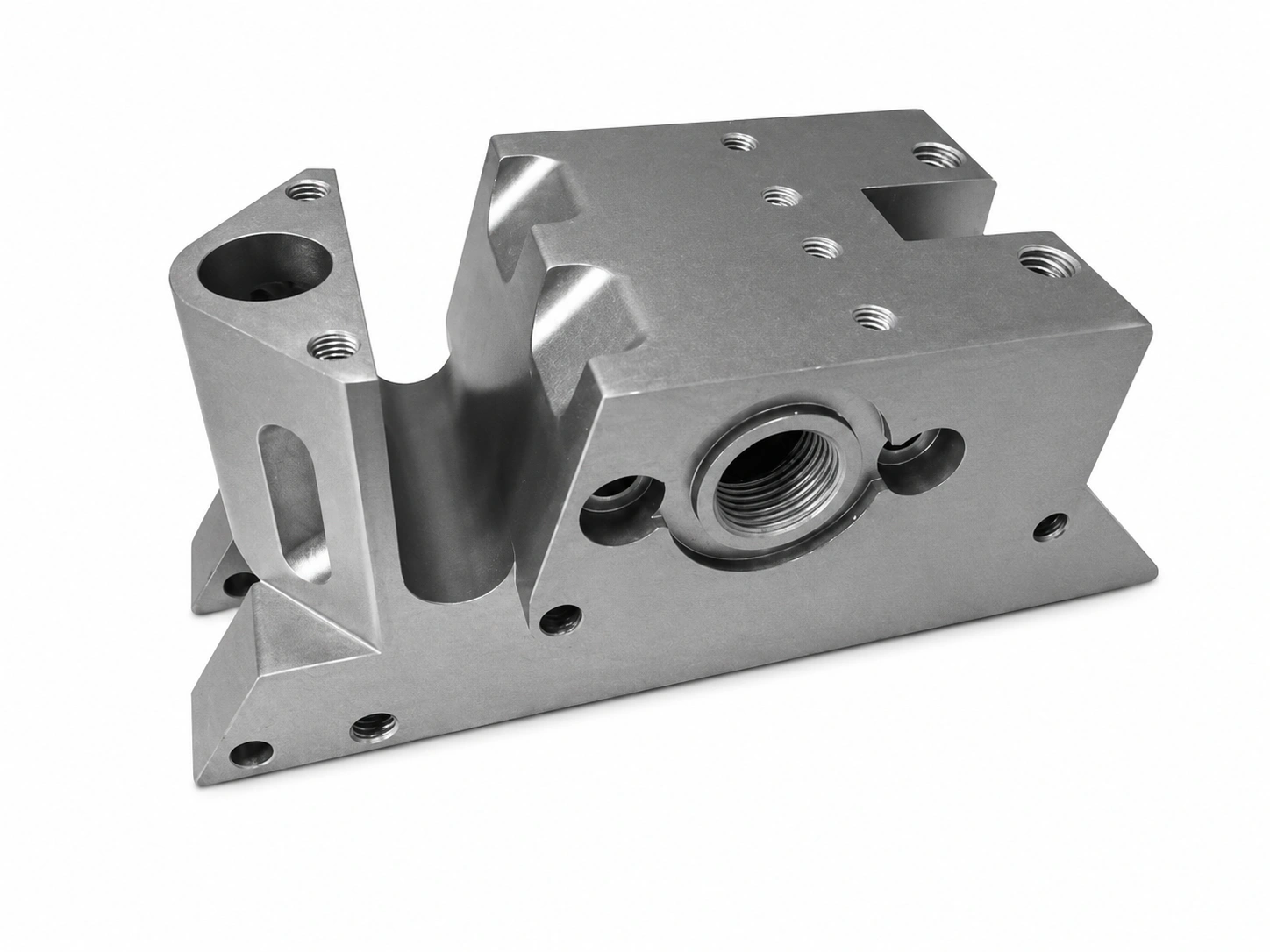
Industrial titanium components present a unique challenge: they are massive, yet require high-precision sealing surfaces. ForceBeyond overcomes this through:
Large industrial projects often suffer from “Vendor Finger-Pointing” when a casting fails during final machining. ForceBeyond eliminates this risk by owning the entire process.
| Industrial Component | Starting Path | Machining Value-Add | Service Life Benefit |
|---|---|---|---|
| Pump Impellers | Investment Casting | 5-Axis Flow Path Profiling | Optimized hydraulic efficiency. |
| Valve Bodies | Industrial Sand Casting | Precision Boring & Facing | Leak-proof high-pressure sealing. |
| Large Flanges | Titanium Forging | Heavy-Duty Facing & Drilling | Maximum pressure-vessel integrity. |
Our Tier-1.5 oversight ensures that every industrial component is ready for the world’s most aggressive service environments.
Scale Your Infrastructure with Proven Titanium Expertise.
Please provide the following for a technical evaluation:
Our current capacity allows for components up to 80 inches (2,000mm) in diameter and up to 10 tons in weight, specifically geared toward large Sand Castings and industrial rings.
Yes. We have extensive experience machining Palladium-stabilized Grade 7 and Grade 11 titanium for extreme acidic environments, utilizing specialized speeds and feeds to manage the material’s specific ductility.
While we primarily focus on new Tier-1.5 production (Forge-to-Finish), we provide technical evaluation and “Clean-up Machining” for legacy titanium components in certain high-value industrial sectors.
Expand this section to review the external standards, technical organizations, and reference materials used for this page.
Explore related ForceBeyond material, process, quality, industry, and manufacturing resources.