

ForceBeyond Logo
Magnesium die casting production for lightweight precision components

Magnesium Die Casting Services for Lightweight Precision Components

Custom Magnesium Die Casting for Lightweight Components

ForceBeyond provides custom magnesium die casting services for lightweight housings, frames, brackets, covers, enclosures, automotive components, and industrial hardware. Magnesium is one of the lightest structural metals used in commercial casting and can support significant weight reduction compared with many aluminum and steel designs.

Programs may include AZ91D, AM60B, AM50A, AS41B, and application-specific magnesium alloys. ForceBeyond coordinates tooling, die casting, precision machining, conversion coating, painting, inspection, assembly, and logistics through an integrated manufacturing network.

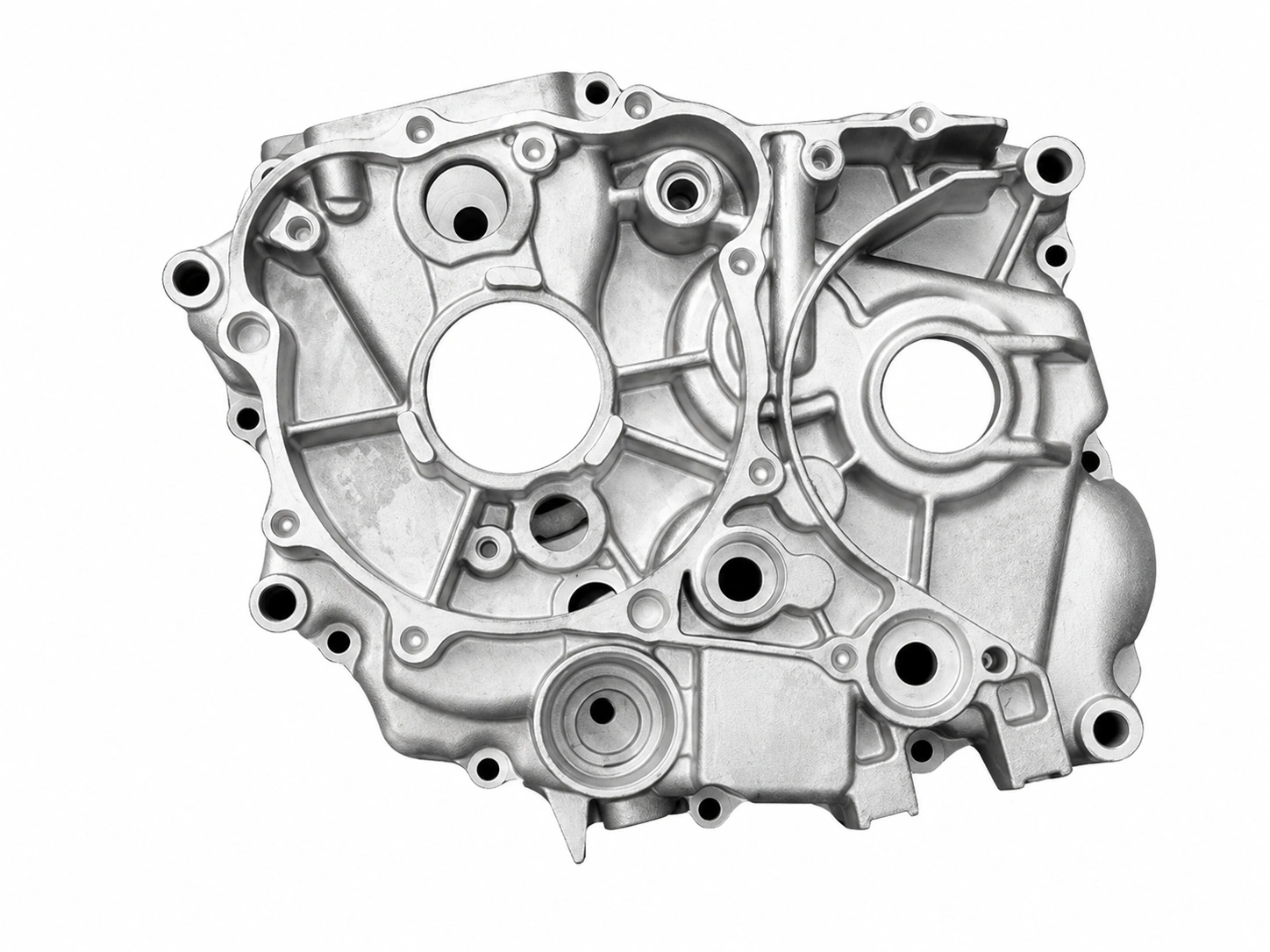
Magnesium die-cast automotive housing with ribs, machined openings, and mounting features

When to Choose Magnesium Die Casting

Magnesium die casting is often selected when weight reduction, thin-wall design, machinability, vibration damping, dimensional stability, and electromagnetic shielding are important.

  • Lightweight structures: housings, frames, brackets, supports, and covers where mass reduction improves system performance.
  • Thin-wall components: suitable geometries may support thin sections and integrated ribs or bosses.
  • EMI and RFI shielding: conductive magnesium enclosures can provide shielding without a separate metallized plastic layer.
  • Machined interfaces: magnesium is generally machinable, supporting efficient finishing of bores, threads, datums, and sealing surfaces.
  • Part consolidation: multiple plastic, sheet-metal, or machined parts may sometimes be redesigned as one casting.

Magnesium Die Casting Alloys and Material Selection

Alloy selection should consider strength, ductility, impact performance, creep resistance, corrosion protection, service temperature, castability, machinability, and cost. Published property values vary by condition and test method, so final requirements should be confirmed against the applicable specification.

Magnesium Alloy Typical Selection Characteristics Representative Applications
AZ91D Widely used magnesium die-casting alloy with good castability, strength, and general-purpose corrosion performance when properly protected. Electronics housings, power-tool bodies, covers, brackets, automotive housings, and industrial enclosures.
AM60B Higher ductility and impact-energy absorption than common AZ-series alloys. Steering-wheel structures, seat components, brackets, safety-related automotive parts, and impact-sensitive housings.
AM50A High ductility and useful impact performance where strength requirements permit. Automotive interior structures, frames, housings, and components requiring deformation before fracture.
AS41B Improved creep resistance for selected elevated-temperature applications compared with general-purpose magnesium alloys. Transmission-related housings, engine-adjacent components, covers, and application-specific powertrain hardware.

Magnesium Die Casting vs. Aluminum Die Casting

Magnesium offers lower density, good machinability, vibration damping, and thin-wall potential. Aluminum generally offers higher stiffness, broader corrosion familiarity, different thermal performance, and a wider established supply base.

The correct material depends on weight targets, stiffness, strength, service temperature, coating system, galvanic environment, joining method, production volume, tooling, and total cost.

Magnesium Die Casting Design Guidelines

  • Uniform walls: maintain practical wall consistency to improve filling, cooling, dimensional control, and surface quality.
  • Draft: provide sufficient draft for reliable ejection, especially on deep walls and textured surfaces.
  • Fillets and radii: avoid sharp internal corners that can restrict flow and increase stress concentration.
  • Galvanic isolation: separate magnesium from dissimilar metals where moisture may be present.
  • Coating access: design drainage, masking, rack points, and coverage for conversion coating, primer, paint, or powder coating.
  • Machining allowance: add stock only where precision bores, datums, sealing surfaces, or threaded features require machining.

Magnesium Die Casting Process

Magnesium alloys may be processed using hot-chamber or cold-chamber die casting depending on alloy, part size, machine configuration, and production requirements. In both methods, melt temperature, metal cleanliness, die temperature, fill profile, venting, and protective atmosphere are tightly controlled.

  1. Melt preparation: alloy chemistry, temperature, cleanliness, and protective cover-gas or flux controls are established.
  2. Die preparation: the hardened steel die is cleaned, lubricated, and stabilized at operating temperature.
  3. Injection: molten magnesium is injected into the die cavity using the selected hot- or cold-chamber process.
  4. Solidification and ejection: the casting cools under pressure before the die opens and ejector pins release the part.
  5. Secondary processing: runners and flash are removed before machining, coating, inspection, assembly, and packaging.
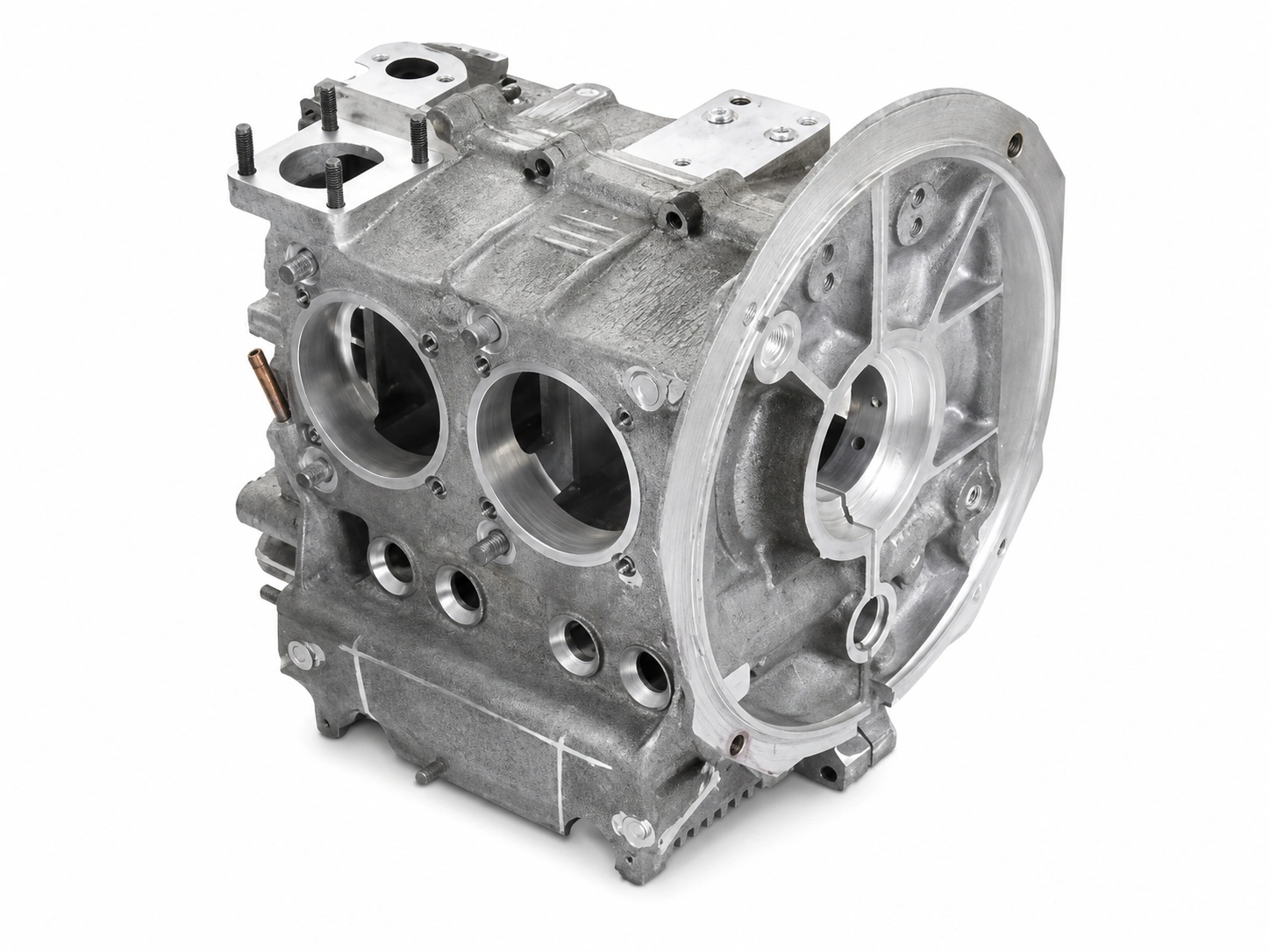
Magnesium automotive engine case with machined bores, reinforced ribs, and mounting surfaces

Magnesium Corrosion Protection and Surface Finishing

Magnesium components usually require a coordinated corrosion-protection system based on service environment, dissimilar-metal contact, cosmetic requirements, coating damage risk, and assembly method.

  • Conversion coatings: provide a prepared surface for corrosion protection, paint adhesion, or electrical requirements.
  • Primer and paint systems: primers, E-coating, liquid paint, or powder coating can provide barrier protection and appearance.
  • Specialized magnesium treatments: project-specific anodic or plasma-electrolytic systems may be considered where appropriate.
  • Galvanic isolation: sealants, washers, coatings, compatible fasteners, and joint design reduce dissimilar-metal corrosion risk.
  • Coating verification: thickness, adhesion, coverage, salt-spray, cosmetic, or customer-specific testing may be required.

Magnesium Casting, Machining and Assembly

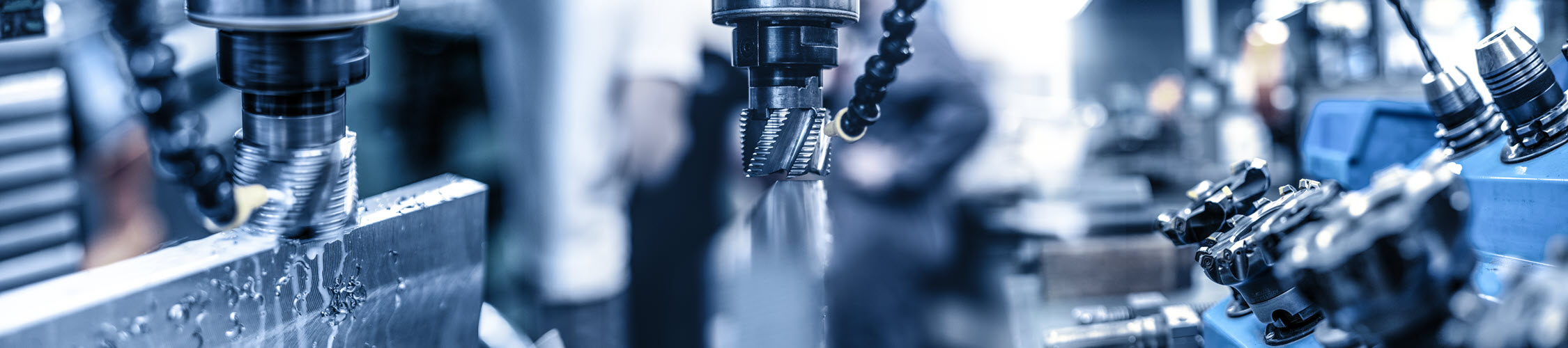
  • Precision CNC machining: milling, drilling, tapping, reaming, and finishing of bores, threads, sealing faces, and mounting datums.
  • Secondary operations: trimming, deburring, machining, conversion coating, painting, inspection, and delivery preparation.
  • Inspection and testing: dimensional inspection, CMM reporting, radiography, leak testing, coating checks, and material verification as required.
  • Assembly and kitting: inserts, fasteners, seals, isolated joints, hardware, labeling, and protective packaging.

Magnesium Casting Quality and Process Safety

  • Melt control: chemistry verification, temperature monitoring, clean metal handling, and protected melting practices.
  • Process control: shot profile, die temperature, vacuum or venting, cooling, and cycle monitoring.
  • Machining safety: chip control, housekeeping, ignition-source control, suitable fire response, and dry machining practices where required.
  • Dimensional inspection: first-article inspection, CMM measurement, gauges, and process checks for critical features.
  • Documentation: material records, inspection reports, coating certificates, traceability, and customer-specific quality packages.

Magnesium Die Casting Applications by Industry

  • Automotive and electric vehicles: steering-wheel structures, seat components, transfer cases, housings, brackets, frames, and lightweight supports.
  • Consumer electronics: laptop frames, camera bodies, handheld-device structures, ruggedized enclosures, and EMI-shielding housings.
  • Medical and healthcare: portable-equipment housings, diagnostic-device frames, support structures, and nonimplant components.
  • Aerospace and defense: lightweight housings, UAV components, seating structures, enclosures, and support hardware where magnesium is permitted.
  • Energy and industrial equipment: covers, control housings, frames, brackets, and portable equipment structures.
  • HVAC and equipment systems: lightweight housings, fan-related structures, control enclosures, and equipment supports.

Frequently Asked Questions: Magnesium Die Casting

Why choose magnesium instead of aluminum for die casting?

Magnesium is often selected when weight reduction, machinability, vibration damping, thin-wall potential, or electromagnetic shielding are important. It is less dense than aluminum, but the final material choice should also consider stiffness, strength, corrosion protection, service temperature, joining method, coating, cost, and applicable specifications.

Is galvanic corrosion a concern with magnesium components?

Yes. Magnesium can corrode rapidly when it is electrically connected to a more noble metal in the presence of moisture or another electrolyte. Risk can be reduced through suitable conversion coatings, primers, paint systems, sealants, isolation washers, compatible fasteners, drainage, and careful joint design. The complete corrosion-control system should be reviewed for the intended environment.

How is molten magnesium handled safely during die casting?

Magnesium die casting requires dedicated melt handling, temperature control, ventilation, fire-prevention procedures, dry tools, controlled housekeeping, and approved cover-gas or flux systems. Modern foundries manage oxidation and ignition risk through engineered controls and trained operators, but the process is not risk-free and must follow facility, environmental, and safety requirements.

What information is needed for a magnesium die casting quote?

Provide a 2D drawing and, when available, a 3D CAD model, along with alloy preference, annual and batch quantity, critical tolerances, wall thickness, service temperature, corrosion environment, cosmetic class, machining, coating, inserts, inspection, assembly, packaging, tooling life, and delivery expectations.

Request a Magnesium Die Casting Quote

Send your drawing, CAD model, magnesium alloy, annual volume, wall thickness, corrosion environment, machining, coating, inspection, assembly, tooling, and delivery requirements for an engineering review.

Technical References
Related Magnesium Casting, Machining, Finishing and Quality Resources