ForceBeyond Logo
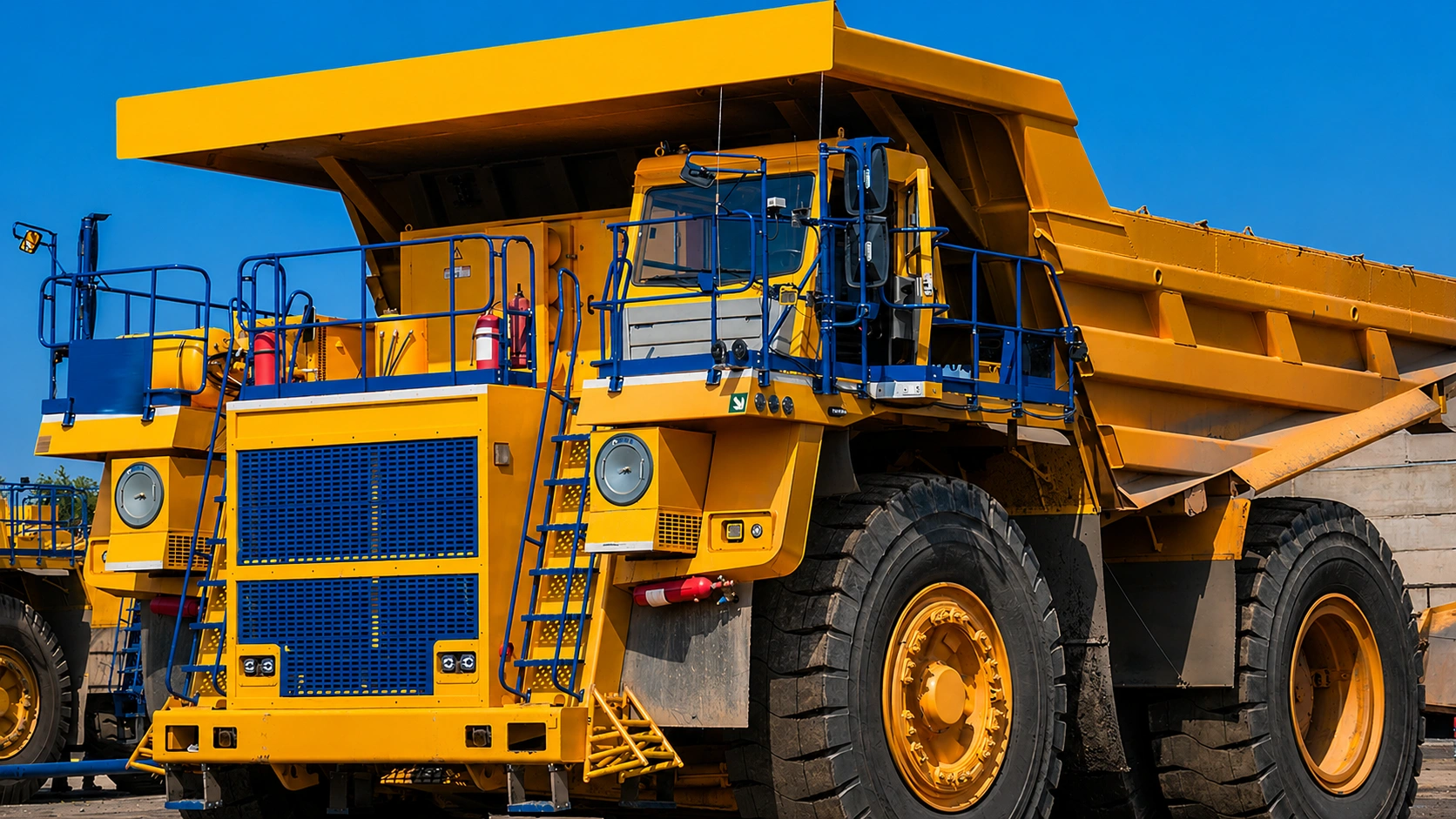
Heavy-duty commercial transportation vehicle with large forged and cast drivetrain components

Automotive & Transportation Components: Casting, Forging & CNC Machining

Manufacturing Support for Automotive and Transportation Components

Automotive and transportation programs balance mass, fatigue, impact, corrosion, vibration, thermal performance, safety, cost, quality, and high-volume repeatability.

ForceBeyond supports passenger vehicle, commercial truck, bus, marine, rail, off-highway, and electrified-vehicle programs through die casting, sand casting, forging, precision machining, heat treatment, coatings, inspection, PPAP support, assembly, and logistics coordination.

IATF certification scope, PPAP level, customer-specific requirements, source approval, capability targets, and delivery model must be confirmed for the actual production facility and program.

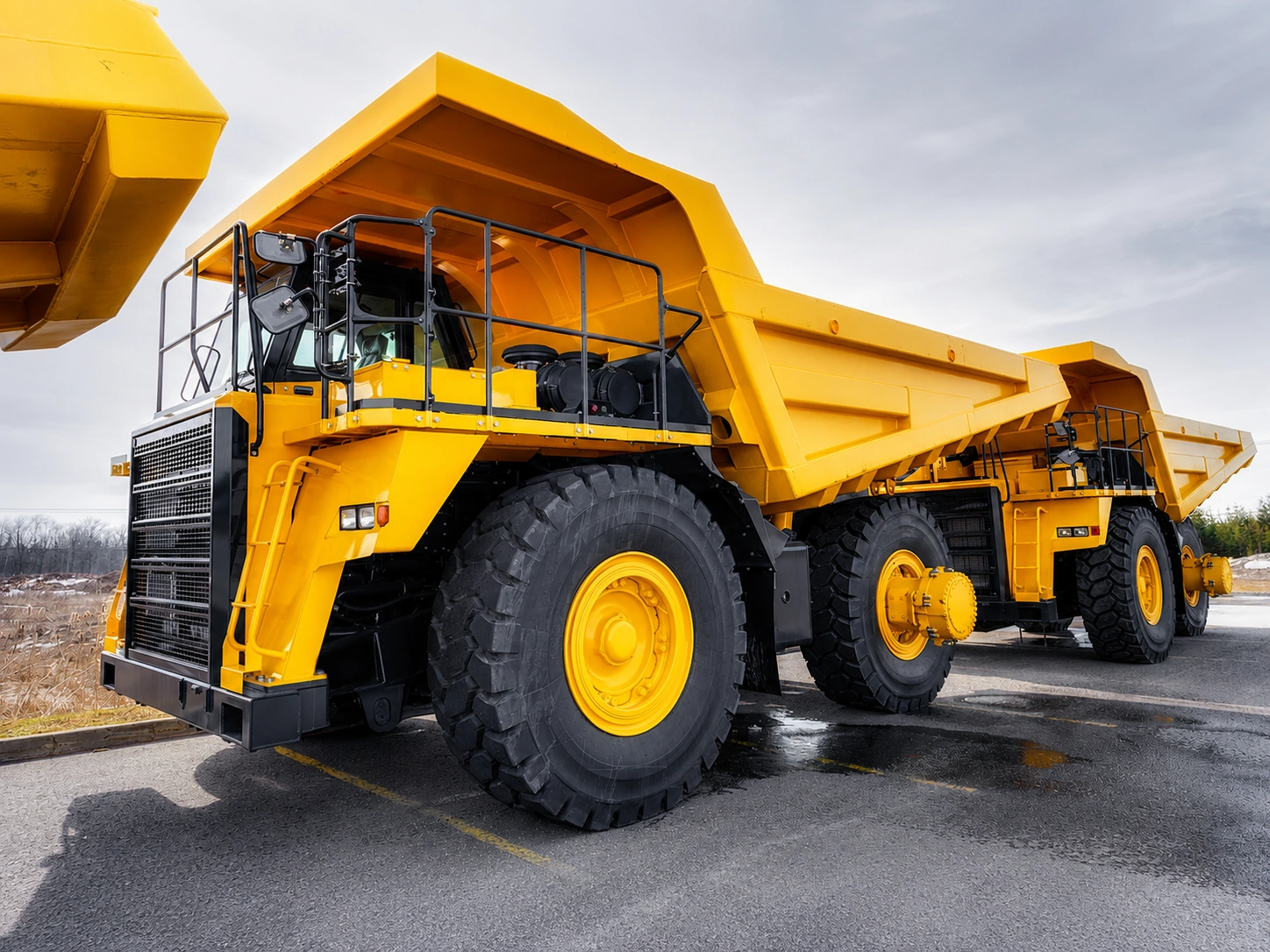
Heavy-duty commercial vehicle with large wheel, suspension, axle, and drivetrain systems

Automotive and Transportation Application Matrix

Vehicle System Representative Components Potential Manufacturing Routes Key Engineering Requirements
Powertrain and Engine Systems Engine and transmission housings, cylinder heads, turbo housings, connecting rods, manifolds, gear blanks Aluminum die casting, iron sand casting, closed-die forging, ring rolling, CNC machining, heat treatment Thermal stability, pressure integrity, fatigue, sealing, lubrication, balance, dimensional capability, and cleanliness
Drivetrain and Axle Systems Differential housings, axle shafts, pinions, hubs, carriers, yokes, couplings, bearing supports Ductile-iron casting, steel forging, rolled rings, machining, induction hardening, assembly Torque, fatigue, impact, bearing fits, runout, gear alignment, lubrication, and traceability
Chassis, Suspension and Steering Knuckles, control arms, brackets, links, steering housings, structural nodes, mounts Aluminum casting, ductile-iron casting, steel forging, machining, coating, assembly Fatigue, stiffness, crash loading, corrosion, mass, weldability, dimensional control, and validation
Brake and Safety Systems Calipers, brackets, rotors, master-cylinder bodies, actuator housings, safety-related supports Iron or aluminum casting, forging, machining, heat treatment, coating, pressure testing Pressure integrity, temperature, wear, stiffness, corrosion, fatigue, sealing, and functional testing
EV, Battery and Thermal Systems Battery housings, inverter enclosures, motor housings, cold plates, manifolds, brackets, busbar and connector hardware Aluminum die casting, machining, stamping, joining, anodizing, e-coating, leak testing, assembly Thermal management, sealing, electrical isolation, conductivity, corrosion, flatness, mass, and ingress protection
Commercial Truck, Bus, Rail and Marine Axle and brake housings, hubs, structural castings, suspension parts, couplings, marine hardware, rail assemblies Sand casting, forging, ring rolling, machining, coating, kitting, assembly High load, duty cycle, fatigue, corrosion, vibration, field service, spare parts, and logistics continuity

Automotive and Transportation Component Portfolio

Component Family Representative Hardware Common Product Forms Typical Verification
Powertrain and Thermal Hardware Housings, cylinder heads, manifolds, turbo parts, motor housings, cooling plates, pump bodies Aluminum die castings, iron castings, forgings, machined wrought material CMM, pressure or leak testing, flatness, surface finish, cleanliness, porosity criteria, capability studies
Drivetrain and Gear Hardware Shafts, hubs, carriers, pinions, gear blanks, yokes, couplings, bearing supports Forgings, rolled rings, ductile-iron castings, machined alloy steel UT or surface NDT where required, hardness, case depth, runout, gear inspection, dimensions
Chassis and Suspension Components Knuckles, control arms, brackets, links, mounts, structural nodes, frame hardware Aluminum or iron castings, steel or aluminum forgings, fabricated and machined parts Dimensional inspection, fatigue validation, coating, material testing, weld inspection, PPAP
Brake and Hydraulic Components Calipers, brackets, cylinders, valve bodies, manifolds, actuator housings Iron or aluminum castings, forgings, precision-machined components Pressure testing, leak testing, CMM, surface finish, cleanliness, coating, functional inspection
Electrical, EV and Enclosure Components Battery trays, inverter housings, connectors, motor housings, busbar hardware, sealed covers Aluminum die castings, machined aluminum, copper alloys, stampings, assemblies Leak testing, flatness, coating thickness, conductivity, isolation, dimensional inspection, cleanliness

Automotive Materials and Process Selection

Material Family Representative Uses Primary Selection Drivers
Aluminum Die-Casting Alloys Housings, covers, brackets, motor components, battery and thermal hardware Mass, castability, thermal conductivity, porosity, sealing, corrosion, machining, and coating
Ductile and Gray Iron Housings, carriers, knuckles, brake parts, hubs, engine and drivetrain structures Strength, damping, fatigue, castability, machinability, thermal behavior, and cost
Carbon and Alloy Steels Shafts, gears, links, pins, suspension parts, fasteners, drivetrain hardware Strength, toughness, fatigue, hardenability, case hardening, weldability, and cost
Stainless and Specialty Steels Fuel, exhaust, brake, corrosion-resistant, marine, rail, and safety-related hardware Corrosion, temperature, strength, forming, machining, passivation, and coating
Copper, Magnesium and Specialty Alloys Electrical, lightweight, thermal, connector, busbar, motor, and specialty vehicle components Conductivity, mass, corrosion, flammability controls, joining, coating, and cost

Review aluminum and copper alloys, stainless and carbon steels, and materials and technical specifications.

Aluminum Die Casting for Lightweight Vehicle Systems

  • Thin-wall and integrated geometry: housings, ribs, bosses, cooling features, brackets, and consolidated assemblies.
  • Porosity planning: gating, venting, vacuum assistance, squeeze or local pressure, wall transitions, and machining stock affect final quality.
  • Thermal components: motor, inverter, battery, pump, and cooling housings may require leak and flatness control.
  • Dimensional stability: tooling, casting temperature, ejection, aging, machining sequence, and coating affect final geometry.
  • Surface protection: conversion coating, e-coating, powder coating, anodizing where suitable, and customer-specific finishes.

See aluminum die casting and A356-T6 casting.

Iron and Steel Castings for Heavy Vehicle Components

  • Ductile iron: housings, hubs, carriers, knuckles, brackets, and heavy-duty structural components.
  • Gray iron: selected engine, brake, housing, and vibration-damping applications.
  • Cast steel: higher-load structural, chassis, rail, marine, and heavy-commercial components where steel properties are required.
  • Machining allowance: datums, bearing bores, sealing surfaces, flanges, and interfaces should be planned from the casting stage.
  • Validation: chemistry, microstructure, nodularity, hardness, dimensions, NDT, fatigue, and customer-specific tests may apply.

Review sand casting and carbon and low-alloy steel casting.

Hot, Warm and Cold Forging for Drivetrain and Chassis Hardware

  • Closed-die forging: shafts, links, yokes, knuckles, arms, hubs, gear blanks, and structural components.
  • Cold forging: fasteners, pins, sleeves, small shafts, fittings, and high-volume near-net hardware.
  • Rolled rings: bearing rings, gear blanks, hubs, flanges, and circumferential drivetrain components.
  • Grain flow: forging direction, reduction, heat treatment, and machining allowance should support fatigue and impact loading.
  • Heat treatment: quench and temper, carburizing, induction hardening, nitriding, or material-specific processes may apply.

See closed-die forging, cold forging, and rolled-ring forging.

Precision CNC Machining for Automotive Components

  • Critical interfaces: bearing seats, seal bores, flange faces, valve bores, gear datums, threads, and assembly features.
  • High-volume control: fixtures, probing, tool-life management, SPC, automated gauging, and error-proofing support repeatability.
  • Cast and forged blanks: stock variation, draft, flash, scale, distortion, and datum transfer should be addressed in process planning.
  • Surface integrity: manage burrs, residual stress, chatter, tool marks, contamination, and final Ra requirements.
  • Capability: tolerance and Cpk/Ppk targets must be demonstrated on the actual feature, material, machine, fixture, gauge, and production volume.

See precision machining and multi-axis CNC machining.

EV, Battery, Motor and Thermal-Management Components

  • Battery structures: trays, housings, covers, brackets, crash structures, sealing interfaces, and thermal components.
  • Motor and inverter housings: thin-wall aluminum geometry, bearing alignment, cooling passages, flatness, and leak control.
  • Cold plates and manifolds: flow paths, brazed or joined assemblies, pressure integrity, cleanliness, and corrosion protection.
  • Electrical hardware: copper or aluminum busbars, connectors, terminals, brackets, and isolation features.
  • Validation: leak, pressure, flatness, conductivity, isolation, coating, cleanliness, and thermal-performance tests may apply.

PPAP, APQP, IMDS and Automotive Quality Planning

  • APQP: define timing, design and process risks, feasibility, control plans, gauges, validation, launch readiness, and change control.
  • PPAP: confirm required submission level, forms, dimensional results, material and process records, capability, samples, and approvals.
  • IMDS: define material composition, substances, supplier data, application codes, recyclate, and customer submission requirements.
  • MSA and SPC: validate gauges, repeatability, reproducibility, stability, capability, reaction plans, and ongoing control.
  • Customer-specific requirements: review portal, labeling, packaging, warranty, traceability, capacity, audit, and change-notification requirements.

PPAP Level 1 through Level 5 is not automatically supplied for every program. The submission level and customer-specific deliverables should be contractually defined.

Inspection, Testing and Production Validation

Method Typical Use Planning Considerations
Dimensional Inspection and SPC Critical dimensions, GD&T, capability, in-process control, and final inspection Datum strategy, gauge R&R, sampling frequency, feature capability, temperature, and reaction plan
Leak and Pressure Testing Housings, manifolds, cooling components, brakes, hydraulics, and sealed enclosures Test medium, pressure, allowable leak rate, dwell, cleanliness, temperature, and safety
Material and Heat-Treatment Verification Chemistry, hardness, case depth, microstructure, tensile properties, and treatment condition Lot definition, coupon location, method, conversion limits, sampling, and acceptance criteria
NDT Selected castings, forgings, welds, and critical surfaces Defect type, geometry, material, method, sensitivity, personnel qualification, and acceptance criteria
Functional and Durability Testing Rotation, torque, load, fatigue, thermal cycling, vibration, corrosion, and assembly performance Duty cycle, sample size, fixture, failure criteria, environment, correlation, and customer approval

Review testing and inspection capabilities for detailed method-selection and reporting guidance.

Heat Treatment, Coatings and Surface Engineering

  • Heat treatment: T6, quench and temper, carburizing, induction hardening, stress relief, and material-specific cycles.
  • Surface finishing: e-coating, powder coating, plating, anodizing, conversion coating, passivation, polishing, and project-specific systems.
  • Corrosion and appearance: select pretreatment, coating thickness, edge coverage, color, gloss, UV, stone-chip, chemical, and salt exposure requirements.
  • Dimensional planning: account for coating build, anodizing growth, masking, threads, bearing fits, sealing surfaces, and electrical contacts.

Sub-Assembly, Kitting and Line-Side Delivery

  • Mechanical assembly: bearings, seals, bushings, fasteners, clips, inserts, fittings, and customer-specified hardware.
  • Torque and error-proofing: define tool control, sequence, torque-angle, traceability, poka-yoke, and verification.
  • Functional checks: rotation, end play, preload, leakage, electrical continuity, fit, and visual inspection where required.
  • Kitting: line-side kits, labels, part segregation, reusable packaging, barcode or ASN requirements, and mixed-SKU controls.
  • Packaging: corrosion prevention, cleanliness, surface protection, dunnage, returnables, stack limits, and handling requirements.

See assembly and kitting for broader module and packaging support.

Automotive Supply Chain, Capacity and Logistics

  • Capacity planning: verify tooling, casting or forging cycle, machining, heat treatment, coating, inspection, assembly, and launch capacity.
  • JIT and Kanban: define forecast, firm horizon, minimum order, lot size, replenishment, transit, safety stock, and escalation rules.
  • Service parts: plan aftermarket demand, packaging, low-volume routing, tooling retention, and obsolescence.
  • Change control: manage source, material, process, tool, machine, gauge, location, packaging, and design changes.
  • Global logistics: coordinate customs, warehousing, ASN, labeling, returnables, inventory ownership, and delivery milestones.

Review global footprint and logistics for inventory, customs, warehousing, packaging, and delivery planning.

Automotive and Transportation RFQ Checklist

  • Technical package: drawing, CAD, revision, bill of materials, vehicle system, design authority, and special characteristics.
  • Material: alloy, product form, specification, heat treatment, coating, approved sources, and substance restrictions.
  • Program volume: prototype, launch, annual volume, peak capacity, service parts, program life, and phase-out.
  • Quality: IATF scope, APQP, PPAP level, IMDS, MSA, SPC, capability, audit, traceability, and customer-specific requirements.
  • Manufacturing scope: casting, forging, machining, coating, assembly, testing, kitting, labeling, and packaging.
  • Logistics: delivery location, Incoterms, JIT, Kanban, ASN, safety stock, returnable packaging, and escalation expectations.

Frequently Asked Questions: Automotive & Transportation

Can ForceBeyond support IATF 16949 automotive programs?

ForceBeyond may support automotive programs through facilities and suppliers whose certification scope is appropriate for the quoted process and part. IATF 16949 status, issuing body, site address, covered processes, and certificate validity should be confirmed for the actual production source before award.

When is ductile iron preferred over steel for automotive or truck components?

Ductile iron may be attractive for housings, carriers, knuckles, hubs, and structural castings because it combines castability, damping, strength, machinability, and cost efficiency. Steel may be preferred when section size, impact, fatigue, weldability, or directional grain flow drives the design. Final selection depends on load case, geometry, weight, process, and validation.

Can ForceBeyond provide PPAP and IMDS documentation?

PPAP and IMDS support may be provided when required by contract. The required PPAP level, customer-specific requirements, dimensional results, material and process records, capability studies, control plans, MSA, samples, appearance approval, and IMDS scope should be defined before quotation.

What information is needed for an automotive component quote?

Provide drawings, CAD, annual volume, material, product form, vehicle application, critical characteristics, heat treatment, coating, dimensional capability, PPAP level, IMDS requirements, approved-source restrictions, packaging, assembly, service-parts needs, and delivery schedule.

Review an Automotive or Transportation Component Program

Send your drawings, annual volume, material, critical characteristics, PPAP level, IMDS requirements, heat treatment, coating, assembly, packaging, quality clauses, and delivery targets for an engineering review.

Automotive Quality, Materials and Manufacturing References
Related Automotive, Casting, Forging, Machining and Quality Resources